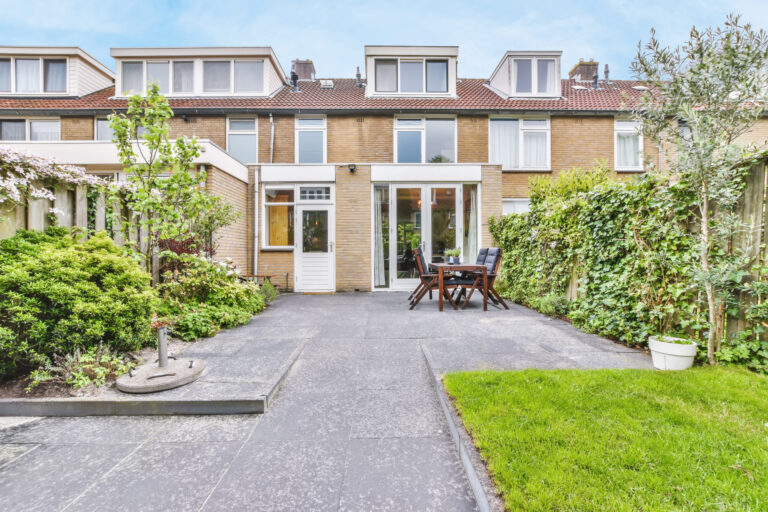

Winter in the South West brings short days, cold nights, and grey skies. It can also bring damp problems in rented houses. Calls about musty smells and clammy rooms tend to follow. Here is what causes them, and how to respond.
Related: Protecting your buy-to-let investment under the Renters’ Rights Act
Why winter hits South West rentals hard
Local weather plays a big part across our region. Atlantic winds keep the air moist for much of the year, and that damp air finds its way indoors. Then there are the buildings themselves, which bring two problems of their own.
Old solid walls stay cold
Many homes across Bristol, Somerset, and Gloucestershire date back to Georgian or Victorian times. They are usually built of solid stone or brick. Heat escapes through them faster than through modern insulated walls, so the inside surface stays cold. Damp often shows up there first.
Moist air with no way out
Before central heating, open fires and draughty windows kept air moving. Some old chimneys are now blocked. In many homes, tightly sealed double glazing has replaced the draughts. Heat stays in, and so does the moisture, which gathers on those cold inner walls.
Telling the three types of damp apart
Damp in a rental usually takes one of three forms, and each starts in a different place. The clues they leave differ too, and some are easy to miss. Spot the type early, and you know which tradesperson to call.
Condensation leaves clues indoors
Condensation tends to be the most common type in rentals. Cooking, showers, and drying clothes indoors all put water into the air. It shows up as droplets on windows, peeling wallpaper, and black mould spots. Bathrooms, kitchens, and bedrooms see it most.
Penetrating damp follows the rain
Penetrating damp comes in from outside. Water gets through cracked outer walls, blocked gutters, loose roof tiles, or worn window seals. Watch for patches that grow darker after heavy rain or storms. They can appear at any height, often near the leak.
Rising damp starts at ground level
Walls usually have a waterproof layer near the bottom, called a damp-proof course. The oldest homes may have none. If that layer fails or is covered by soil, groundwater can soak upwards. Signs include a low tide mark and crumbling plaster. Get an independent survey before treatment.
Related: How Confident Are You With Your Landlord Compliance?
What the law asks of landlords
Spotting damp is only half the job. The law also expects you to fix it, with some duties already in force and more arriving through the Renters’ Rights Act. Knowing both keeps you on safe ground when a tenant calls.
Standards you must meet now
Under the Homes (Fitness for Human Habitation) Act, a rental must stay fit to live in. Councils can also rate damp and mould growth as a hazard. They use the Housing Health and Safety Rating System (HHSRS). Serious cases can lead to an improvement notice, an order to make repairs.
Act fast on every report
Once a tenant reports damp, speed matters. Give at least 24 hours’ written notice before you visit, then find the cause. Agree a repair plan and record every step. Clear records help if a complaint reaches the upcoming Private Rented Sector Landlord Ombudsman.
Awaab’s Law is heading your way
Awaab’s Law already applies to social housing in England. The Renters’ Rights Act allows it to be extended to private rentals. It is expected to set deadlines for investigating and fixing hazards like damp and mould. No start date is confirmed yet.
Related: The role of letting agents in strengthening landlord–tenant relationships
Winter checks that save repair bills
Damp is usually cheaper to prevent than to repair. Several of these checks can be ticked off during a routine inspection, while you are already at the property. Any gas work, including the yearly gas safety check landlords must arrange, needs a Gas Safe registered engineer.
- Book a yearly boiler service for reliable heating.
- Test every extractor fan in kitchens and bathrooms.
- Make sure window air vents open and close.
- Reseal worn gaps around baths, showers, and sinks.
- Fit humidity monitors in rooms that had mould.
- Share simple airing and heating tips with tenants.
Since 1 May 2026, tenants on rolling tenancies can leave with two months’ notice, so fixing damp promptly and fairly also gives good tenants one less reason to move.
Related: Where landlords often go wrong with new tenancy rules
Support for a smoother winter
At CJ Hole, our landlord property management team knows how homes across the region, from period terraces to newer builds, cope with a wet winter. We keep you and your tenants updated at each step. To share the load this winter, speak to your local CJ Hole office.